

Introduction
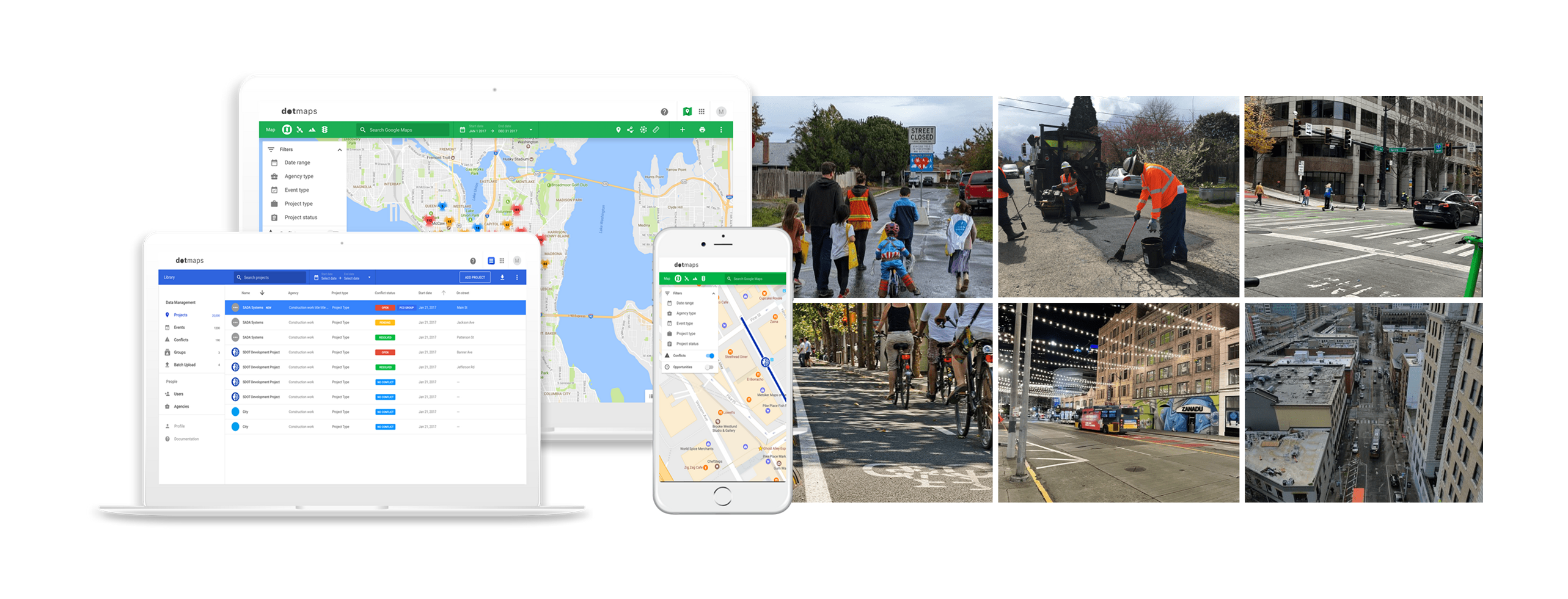
Seattle’s construction boom brought with it a big challenge: how to keep the city moving smoothly while managing countless projects. As the lead UX designer, I was given the task of revamping the Seattle Department of Transportation’s (SDOT) project management tools. The result? dotMaps - a GIS-driven platform built on Google Cloud, tailored to handle Seattle’s unique urban needs.
The Challenge
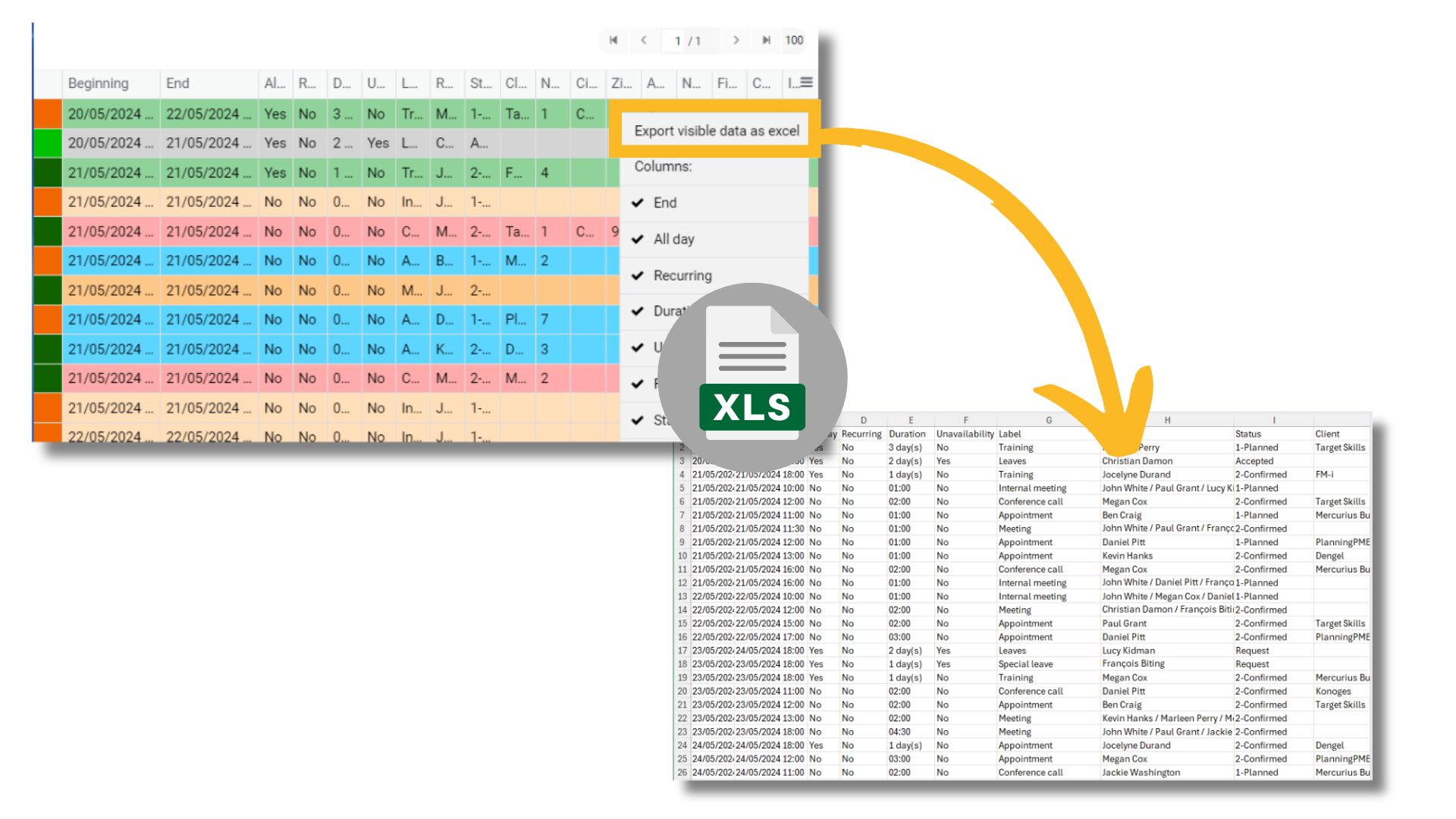
Seattle was struggling with two major problems. First, the project management tools in use were clunky and didn’t have the features necessary to handle the sheer volume of ongoing projects. Second, crucial data was scattered and siloed across different systems. Public utilities and private companies were using separate Excel sheets, making real-time collaboration nearly impossible.
My UX Process
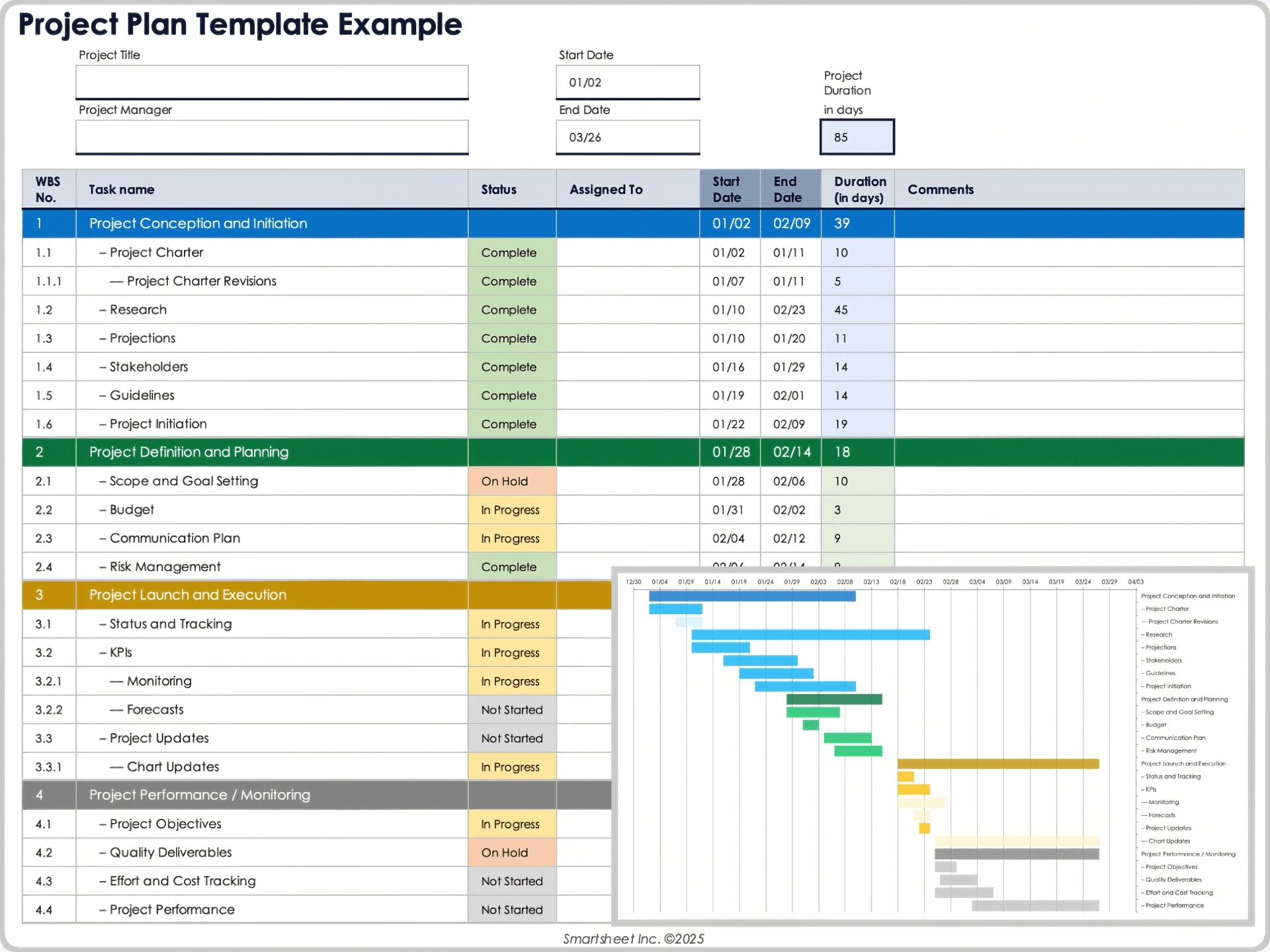
1. Understanding the Problem: We started by talking to the people who were most affected - SDOT staff, contractors and citizens. These conversations gave us a clear picture of the pain points and what needed fixing and the biggest potencial impacts.
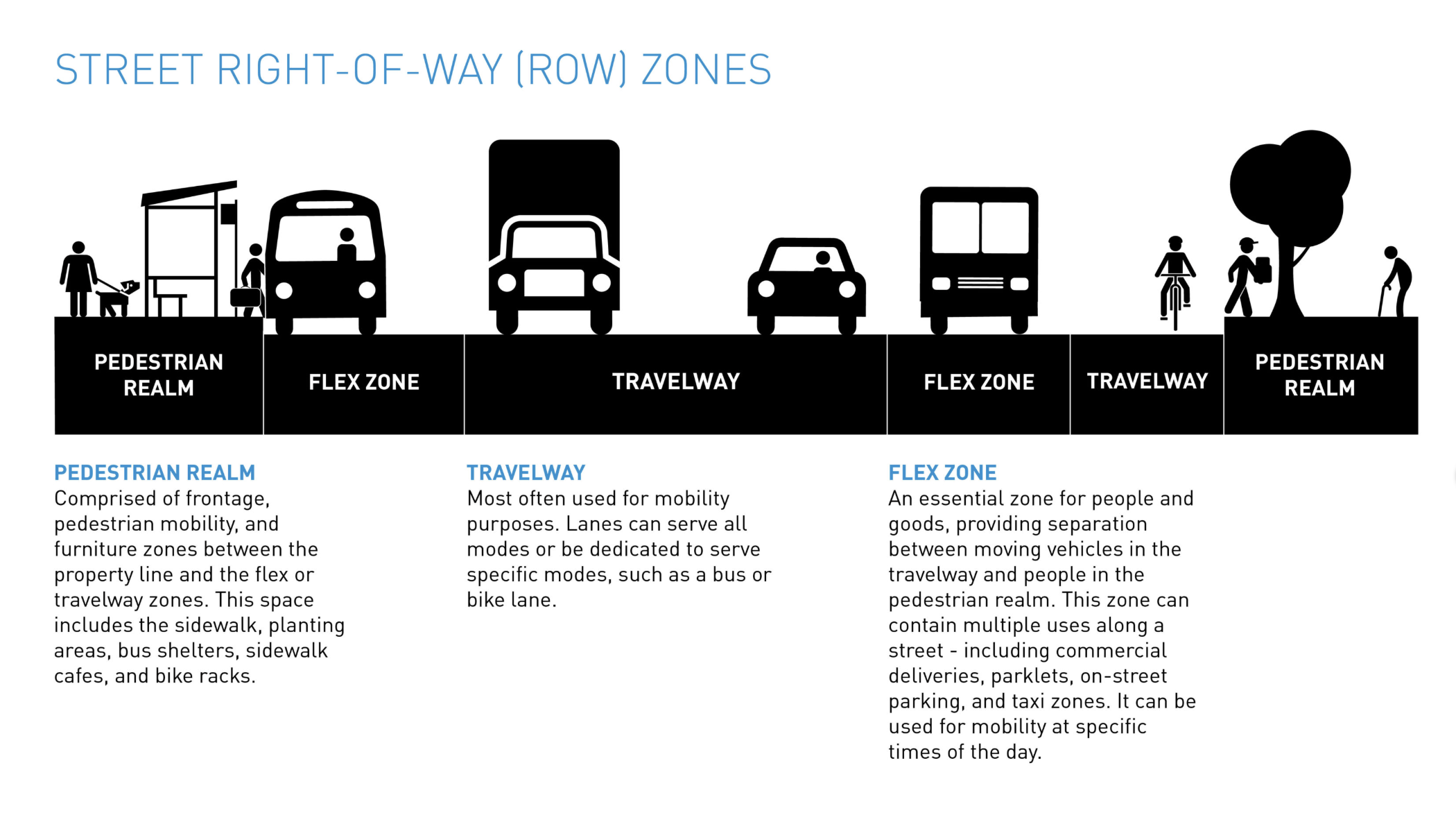
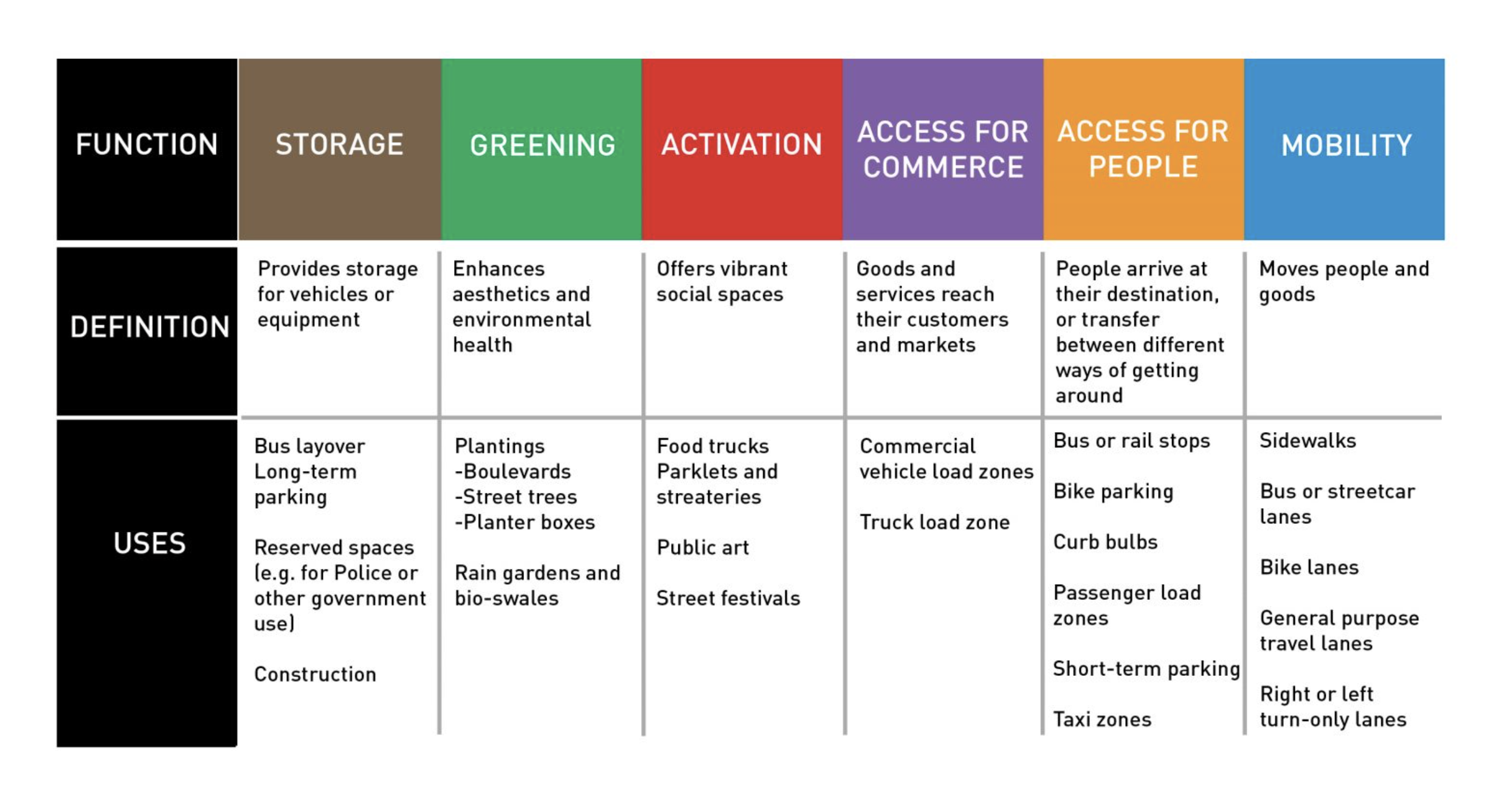
2. Designing Solutions: With these insights, we sketched out initial designs that focused on making data entry easy, improving how projects were visualized, and boosting collaboration between departments. We tested these designs repeatedly, refining them with each round of feedback.
3. Bringing Data Together: One of our biggest hurdles was getting all the fragmented data into one place. We made it a priority to ensure the platform could seamlessly pull in data from various sources and keep everything updated in real-time.
4. Continuous Improvement: Even after the initial launch, we didn’t stop. We kept gathering feedback and making improvements, ensuring dotMaps evolved with the needs of its users.
The Solution
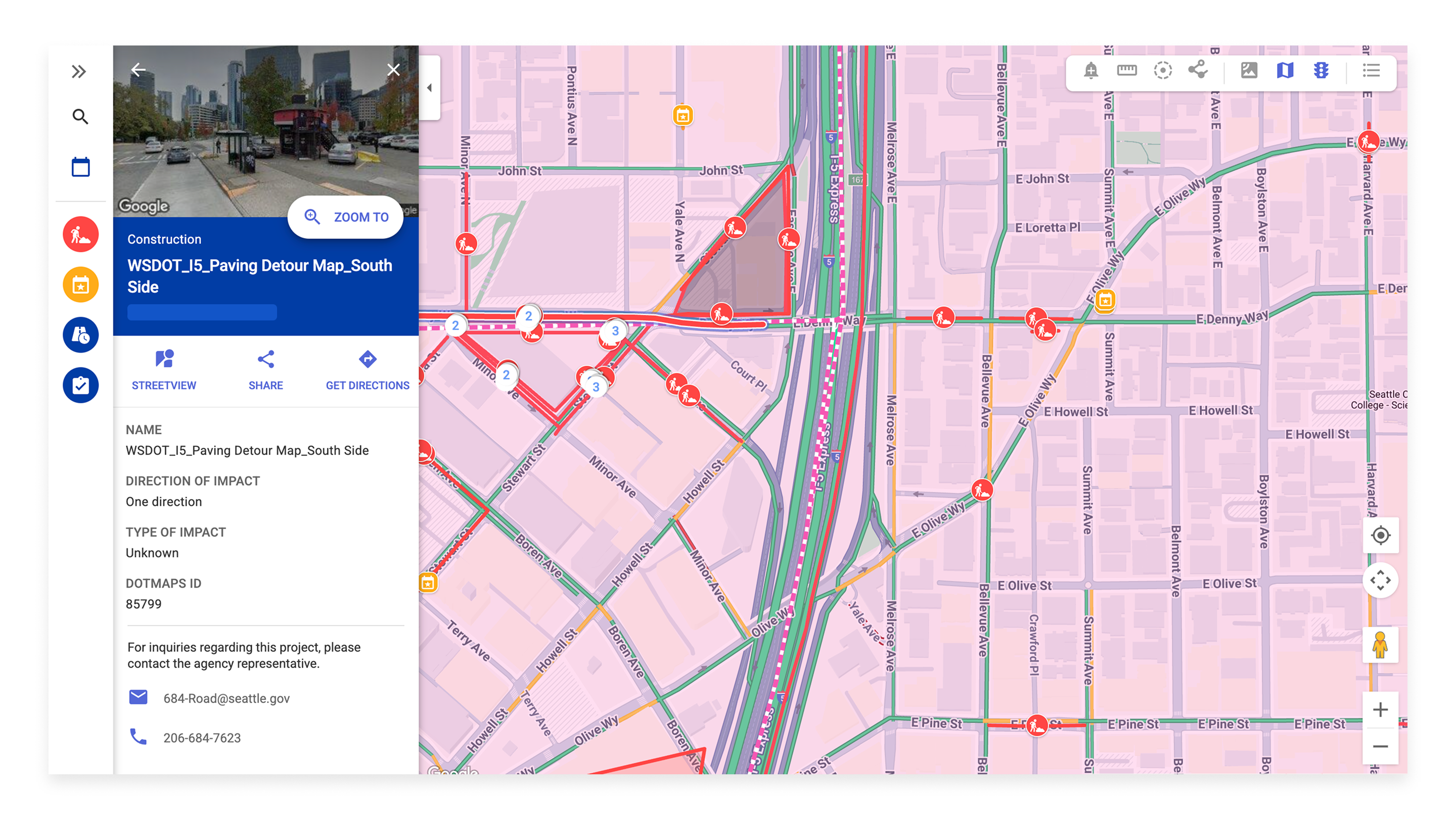
dotMaps by SADA: Working closely with SADA, we brought dotMaps to life. The platform featured a clean, intuitive interface that worked on any device, and it easily integrated with existing data systems.
• Connecting with the Public: dotMaps wasn’t just an internal tool; it became a vital link between the city’s projects and its residents. People could check real-time updates on road closures and construction, helping them navigate the city more easily.
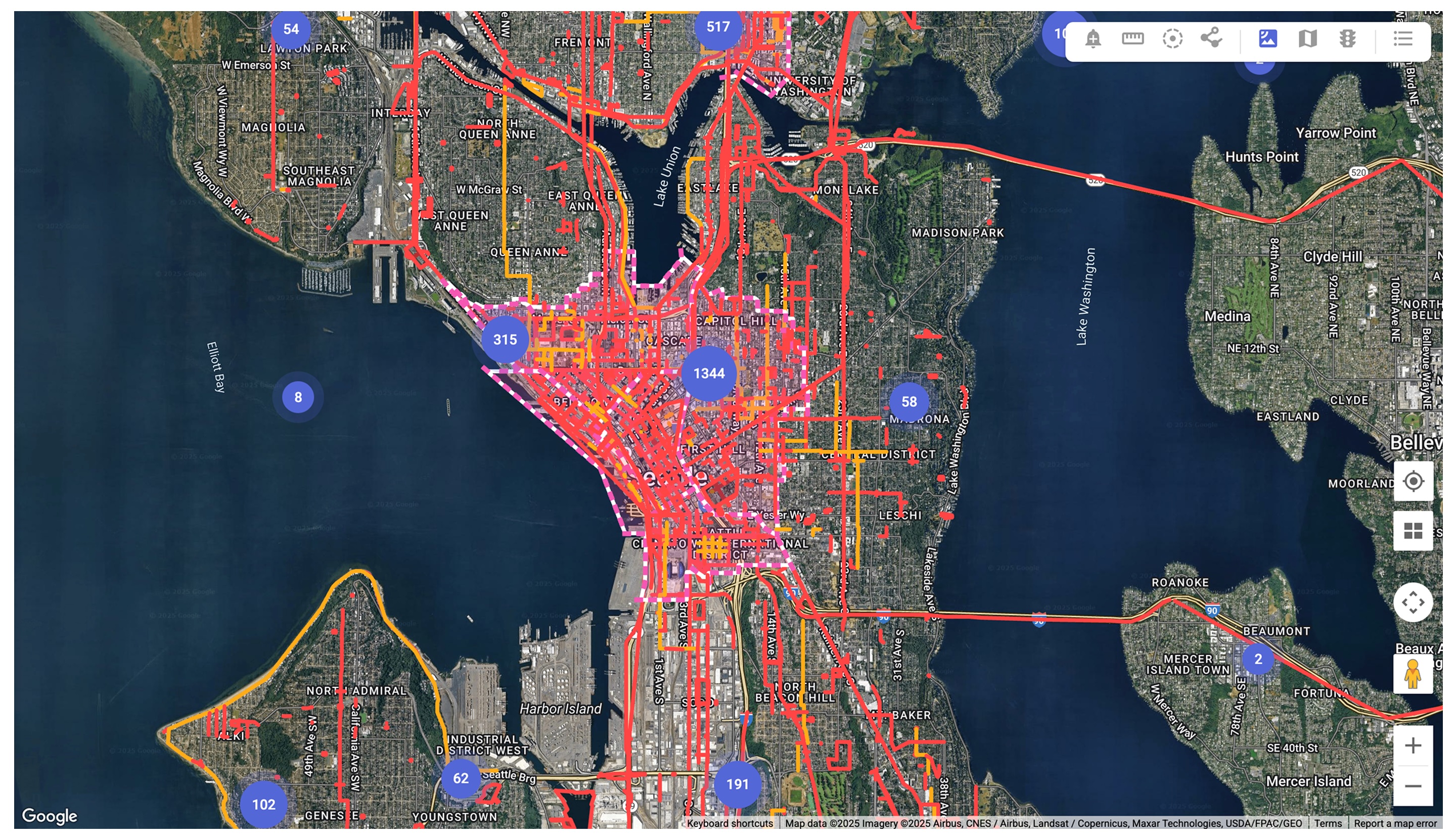
• Real-Time Teamwork: At its core, dotMaps enabled different city agencies to work together seamlessly. Whether it was Seattle Public Utilities or Seattle City Light, everyone could coordinate their projects, reducing overlaps and making the most of shared resources.
What We Achieved
• Saving Time and Money: With dotMaps, Seattle saved over $21 million, and projects were completed faster, causing fewer disruptions to everyday life.
• Building Trust with the Public: By making real-time information accessible through popular mapping apps, we built greater trust with Seattle’s residents. The platform quickly became a go-to resource, with more than 100 people using it weekly to plan their day.
• Breaking Down Data Silos: One of our proudest achievements was integrating previously isolated data sources. Agencies that used to work in silos now had a unified platform, leading to better coordination and decision-making.
• Quick Rollout: Thanks to our partnership with SADA, we went from concept to full implementation in under six months. The platform was quickly adopted by SDOT and other city agencies, a testament to its user-friendly design and practicality.
“A project that was going to cost $200,000 only cost $100,000, so there are more funds to expand the network or otherwise improve infrastructure. That’s good for everyone.”
“dotMaps has proven to be an invaluable tool for Seattle residents and visitors as well as for the city itself.”
— Heather Marx
Director of Downtown Mobility, Seattle Department of Transportation
Conclusion
Creating dotMaps was both challenging and incredibly rewarding. By focusing on user needs, bringing scattered data together, and fostering better teamwork, we made a real difference—not just for SDOT but for the entire city of Seattle. dotMaps is proof that when technology is designed with people in mind, it can have a powerful impact on both city operations and the daily lives of residents.
That's not it!